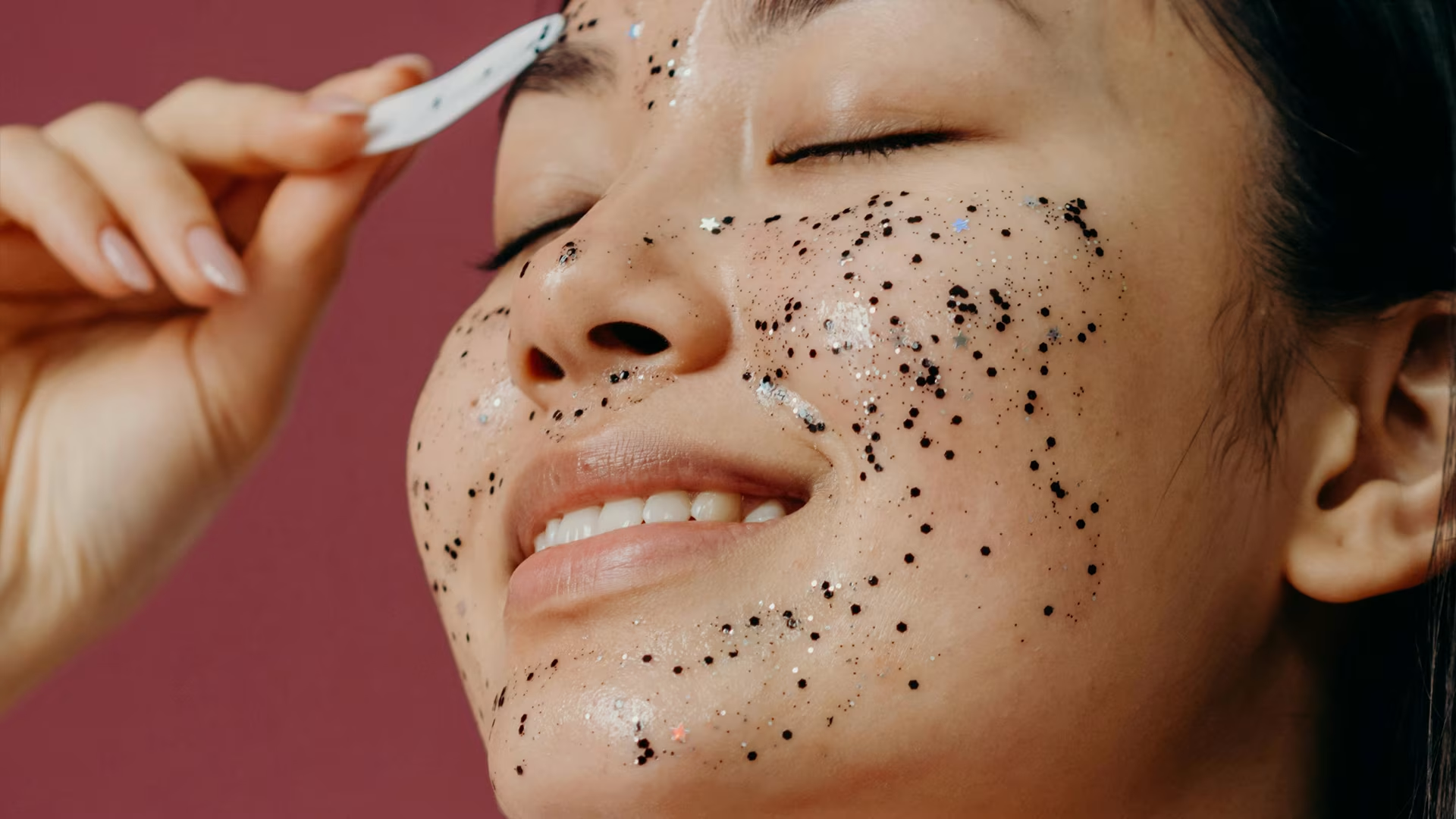
The Science Behind Healthy, Radiant Skin
Radiant skin is not simply a cosmetic outcome — it is a sign of a well-functioning biological system. Your skin is the body's largest organ, and understanding how it works gives you the foundation to care for it intelligently.
The Skin Barrier: Your First Line of Defence
The outermost layer of your skin — the stratum corneum — acts as a physical and chemical barrier between your body and the external environment. It is made up of dead skin cells (corneocytes) embedded in a lipid matrix of ceramides, cholesterol, and fatty acids. When this barrier is intact, it keeps moisture in and irritants, allergens, and bacteria out.
A compromised skin barrier leads to transepidermal water loss (TEWL), resulting in dryness, sensitivity, and inflammation. Conditions such as eczema, rosacea, and acne are often closely linked to barrier dysfunction. Restoring the barrier with the right ingredients — ceramides, niacinamide, and hyaluronic acid — is frequently the most important first step in any treatment plan.
The Role of Collagen and Elastin
Beneath the surface, the dermis is a dense network of collagen and elastin fibres produced by fibroblast cells. Collagen provides structural strength; elastin gives your skin the ability to snap back after stretching. From our mid-twenties onward, collagen production declines by approximately 1% per year, and cumulative UV exposure accelerates this process dramatically.
This is why photoprotection is not merely cosmetic advice — it is the single most evidence-backed intervention for long-term skin health. A broad-spectrum SPF 30 or higher, applied daily, dramatically reduces collagen degradation and lowers the risk of both premature ageing and skin cancer.
Hydration from the Inside Out
Hyaluronic acid (HA) is a naturally occurring glycosaminoglycan in the dermis that holds up to 1,000 times its weight in water. As we age, HA levels decline, contributing to the loss of plumpness and volume that characterises older skin. Topical HA serums can temporarily bind atmospheric moisture to the surface, while injectable HA fillers — administered by a qualified clinician — provide deeper, longer-lasting volumisation.
At Nova Doc, all treatment plans begin with a thorough assessment of your skin barrier health, hydration levels, and lifestyle factors before any intervention is recommended. Science, not trends, guides every step we take.